


- Our Services
- IVF (In Vitro Fertilization) Treatment in Cyprus
- Egg Donation in Cyprus
- Embryo Donation in Cyprus
- Sperm Donation in Cyprus
- Cyprus PGD Genetic Test
- Cytoplasm & Mitochondria Transfer in Cyprus
- Kıbrıs ICSI (Mikroenjeksiyon) Tedavisi
- Frozen Embryo Transfer (FET) in Cyprus
- Azoospermia Treatment in Cyprus
- Genetic Diagnosis in Cyprus IVF Treatment
- Infertility Treatment for Women in Cyprus
- Male Infertility (Sterility) Treatment in Cyprus
- Causes and Treatment of Miscarriage
- Infertility Tests in Cyprus
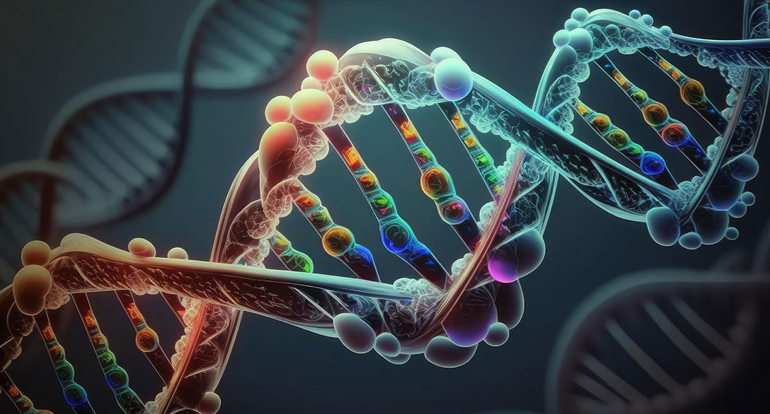
The greatest success in IVF treatment is not just achieving pregnancy, but holding a genetically healthy baby in your arms. PGD (Preimplantation Genetic Diagnosis) is an advanced technology performed before embryos are placed in the uterus, detecting hereditary diseases and chromosomal abnormalities. With the PGD method applied in Cyprus under the guidance of Op. Dr. Emine Efendi, we eliminate risks and grow your dreams with confidence.
What is PGD (Preimplantation Genetic Diagnosis)?
PGD is the process of examining a biopsy sample taken from embryos created during the IVF process in a genetic laboratory. This method was developed especially to prevent couples who carry a known genetic disease in their family from passing this disease to their children. Many conditions, from single-gene diseases to numerical chromosomal abnormalities, can be identified with this test.
Who is PGD Treatment Suitable For?
PGD testing is vital and increases the chance of success in the following cases:
Hereditary Disease Carriage: Presence of single-gene diseases such as Mediterranean Anemia (Thalassemia), SMA, or Cystic Fibrosis in the expectant mother or father.
Advanced Maternal Age: To reduce the increased risk of chromosomal abnormalities in women aged 35 and over.
Recurrent Miscarriages: To eliminate underlying genetic causes of unexplained pregnancy losses.
Recurrent IVF Failure: Cases where implantation does not occur despite high-quality embryos.
Genetically Transmitted Cancer Risk: Prevention of cancer types known to be transmitted genetically in the family.
How is PGD Performed in Cyprus?
The process proceeds with delicate steps without affecting the development of the embryo:
Embryo Development: Embryos fertilized in the laboratory are monitored until the 5th day (Blastocyst stage).
Biopsy: A few cells are taken from the embryo. This procedure does not damage the part that will form the baby.
Genetic Analysis: The collected cells are examined using special methods (Usually NGS technology is used).
Healthy Selection: Only embryos confirmed to be genetically “normal” and healthy are selected for transfer.
What are the Advantages of the PGD Test?
Eliminates Disease Risk: Prevents hereditary diseases from being passed to the next generation.
Increases Pregnancy Chance: The implantation potential of an embryo known to be healthy is much higher.
Reduces Miscarriage Risk: Prevents early pregnancy losses due to chromosomal abnormalities.
Psychological Confidence: Allows the expectant mother to start the pregnancy process much more peacefully and confidently.
What is the Difference Between PGD and PGS?
To summarize briefly:
PGD (Diagnosis): It is goal-oriented. It screens for a specific known disease in the family (e.g., SMA).
PGS/PGT-A (Screening): It is a general check. It looks for numerical chromosomal abnormalities (e.g., Down Syndrome) in embryos.
PGD Success Rates Cyprus
Cyprus is one of the centers with the most advanced laboratory infrastructure in the world for genetic screening technologies. The “take-home baby” rates in IVF treatments using PGD are much higher than in normal treatments. With the expertise of Op. Dr. Emine Efendi and personalized treatment protocols, the chance of achieving a healthy pregnancy can rise above 80%.
Frequently Asked Questions (FAQ) About PGD Genetic Test
No. The biopsy procedure is performed only on the group of cells that will form the placenta. Research has proven that babies born from embryos that underwent PGD do not carry a developmental risk.
Thousands of single-gene diseases defined by medicine can be screened with PGD. You can obtain information from our clinic for specific conditions in your family.
The analysis process after biopsy usually takes 10-15 days. During this period, your embryos are safely stored by freezing.
A Healthy Future is in Your Hands.
Take advantage of the latest opportunities offered by science to protect your genetic heritage and have a healthy baby. Contact us to receive detailed information about the genetic diagnosis process with Op. Dr. Emine Efendi.