


- Our Services
- IVF (In Vitro Fertilization) Treatment in Cyprus
- Egg Donation in Cyprus
- Embryo Donation in Cyprus
- Sperm Donation in Cyprus
- Cyprus PGD Genetic Test
- Cytoplasm & Mitochondria Transfer in Cyprus
- Kıbrıs ICSI (Mikroenjeksiyon) Tedavisi
- Frozen Embryo Transfer (FET) in Cyprus
- Azoospermia Treatment in Cyprus
- Genetic Diagnosis in Cyprus IVF Treatment
- Infertility Treatment for Women in Cyprus
- Male Infertility (Sterility) Treatment in Cyprus
- Causes and Treatment of Miscarriage
- Infertility Tests in Cyprus
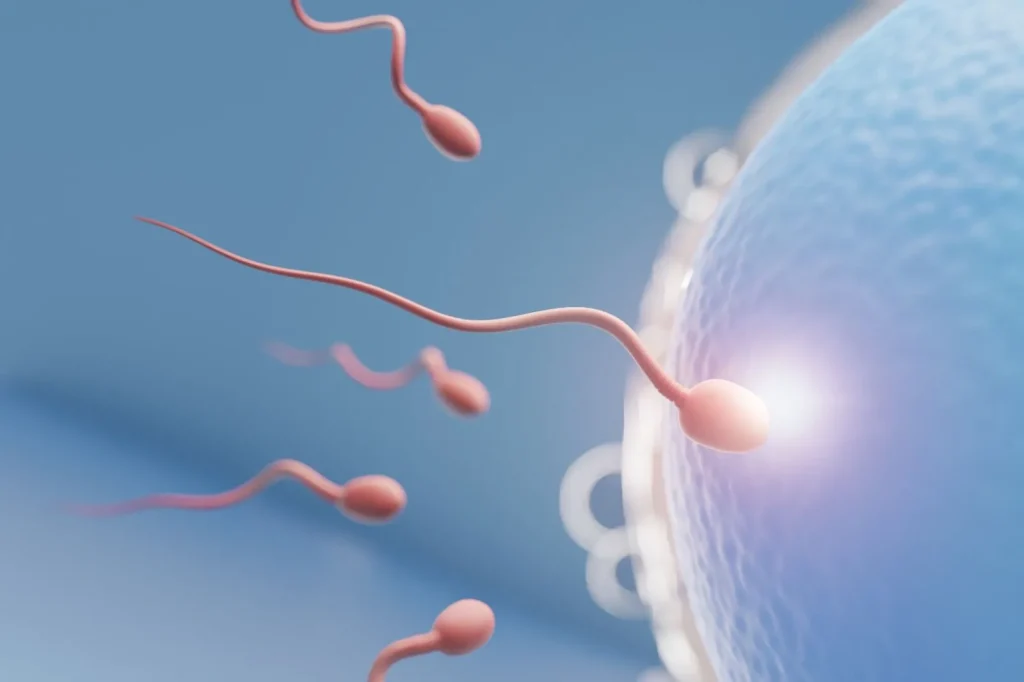
In approximately half of the couples who cannot have children, the cause is male-related factors. Today, developments in the medical world have raised the chance of becoming a father to 80-90% even in the most challenging male infertility cases. Op. Dr. Emine Efendi, in her clinic in Cyprus, analyzes male infertility with modern laboratory techniques and surgical methods, turning couples’ dreams of parenthood into reality.
What is Male Infertility?
Male infertility is the inability of a man to impregnate a healthy woman due to a problem in the male reproductive system. This condition is usually caused by low sperm count, poor sperm motility, or structural (morphological) abnormalities. Additionally, blockages in the ducts or hormonal imbalances can lead to infertility.
How is Male Infertility Diagnosed in Cyprus?
Correctly identifying the source of the problem is essential for a successful treatment plan. The diagnostic methods applied under the guidance of Op. Dr. Emine Efendi are as follows:
Spermiogram (Sperm Analysis): The number, motility, and morphology of sperm are examined microscopically.
Kruger Criteria: A detailed morphological examination to determine the fertilization capacity of sperm.
Hormone Panel: The balance of reproductive hormones such as Testosterone, FSH, and LH is checked.
Sperm DNA Fragmentation: Measuring the rate of genetic damage in sperm cells.
Scrotal Ultrasound: Used to detect varicocele or structural abnormalities in the testes.
Male Infertility Treatment Methods in Cyprus
Following diagnosis, the following treatment paths are followed according to the type of infertility:
Medication and Hormone Therapy: Used to increase sperm production in cases where hormonal imbalance is detected.
Varicocele Surgery: Microsurgical correction of enlarged veins in the testes.
ICSI (Intracytoplasmic Sperm Injection): Direct insertion of a single healthy sperm into the egg.
Micro TESE / TESE: Surgical retrieval of sperm from testicular tissue in cases where no sperm is present in the semen (azoospermia).
Sperm Donation: The option of donor sperm offered within the legal framework for patients who do not have their own viable sperm cells.
Success Rates in Male Infertility Treatment Cyprus
Cyprus has success rates above world standards in assisted reproductive techniques. Experience in ICSI (Microinjection) and Micro TESE methods in particular raises fertilization rates to 70-80% even in severe male infertility. Success depends directly on sperm quality, the chosen technology, and the physician’s expertise.
Male Infertility Treatment Process in Cyprus
The process begins with the evaluation of the prospective father’s lifestyle and medical history. If surgical intervention (such as Micro TESE) is not required, treatment is usually synchronized with the mother’s egg retrieval day. The father provides a sperm sample to the clinic; this sample is separated using special washing methods to select the healthiest sperm, and the fertilization stage begins.
Things to Consider in Male Infertility Treatment
The following points are critical to increasing sperm quality during the treatment process:
Smoking and Alcohol: Should be stopped as they directly reduce sperm count and motility.
Temperature: Exposure of the testes to high heat (sauna, tight clothing) adversely affects production.
Nutrition: Antioxidants such as Zinc, Selenium, and Vitamin E support sperm health.
Regular Sleep and Exercise: Quality of life should be improved to maintain hormonal balance.
Frequently Asked Questions (FAQ)
Not always. In some cases, natural pregnancy can be achieved through lifestyle changes or medical treatments. However, if the values are very low, ICSI is the most definitive solution.
Improvement in sperm production is generally observed 3 to 6 months after surgery.
Yes. By finding live sperm within micro-canals taken from testicular tissue using the Micro TESE method, the IVF process can be carried out.
Yes, high DNA damage both makes fertilization difficult and increases the risk of miscarriage. In this case, special selection methods (Microchip, etc.) are applied.
Let's Make Your Hopes Bloom with Science and Experience.
Male infertility is not unsolvable with the right technology and an expert perspective. Contact us to evaluate your situation with Op. Dr. Emine Efendi and determine the most suitable treatment path for you.